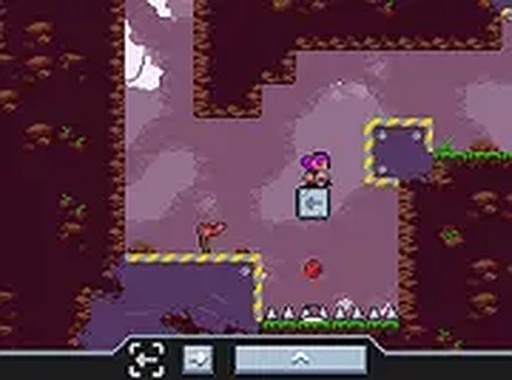
A Key(s) Path stands out with its inventive use of movement keys as building blocks. The strategic element of locking blocks until you find a key adds replayability. Levels are well-designed, gradually increasing in difficulty. The game is easy to pick up but offers enough depth to keep you coming back. It runs smoothly in the browser with no ads or distractions. A solid choice for puzzle fans who enjoy planning ahead.
A Key(s) Path is an online platform puzzle game that combines traditional platforming with strategic resource management. Players navigate obstacle-filled levels by placing movable key blocks to create platforms. The core mechanic involves dragging blocks from the bottom of the screen into the game world, but each block used becomes locked until a key is collected. This forces careful planning and adds a puzzle layer to the platforming experience. Designed for desktop play with mouse controls, the game runs directly in a browser without downloads.
Players use the mouse to drag movement key blocks from a toolbar at the bottom of the screen into the level. These blocks serve as platforms to cross gaps, avoid traps, and reach higher areas. However, each block placed is no longer available for movement until the player finds and collects a key hidden in the level. This means every placement must be strategic—using too many blocks can leave the player unable to move. The goal is to exit each level by efficiently managing the limited blocks. The controls are simple, but mastering the balance between placement and movement requires practice.
The game features a unique drag-and-drop platform mechanic where players physically place blocks into the world. A key retrieval system adds depth by locking placed blocks until keys are collected. Levels present challenging obstacle courses that test planning and resource management. The game is free to play with no downloads required, and includes a full screen mode for an immersive experience. It is designed specifically for desktop browsers with mouse controls.
Plan each block placement carefully—consider future movement needs before placing. Always scout the level for key locations before committing blocks. Try to use blocks sparingly to keep movement options open. If stuck, experiment with different block placements or retry the level with a new strategy. Practice helps develop a sense for efficient path creation. Remember that the puzzle aspect is as important as the platforming, so take time to think before acting.
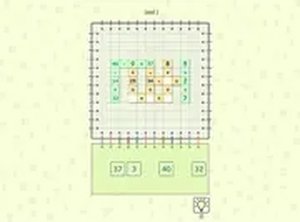
A clever mix of crosswords and math with a motivating story. Clean interface and good for short sessions.
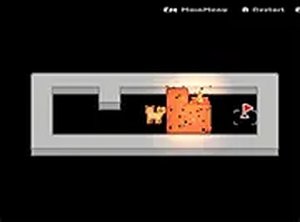
Clean design and smooth gameplay. A delightful puzzle game for short breaks.
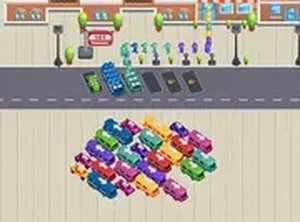
Clean design and smooth gameplay. Great for short breaks and puzzle lovers.
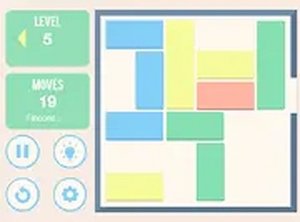
Clean design and smooth gameplay. Great for short breaks.

Clean design and smooth gameplay. Great for short breaks.
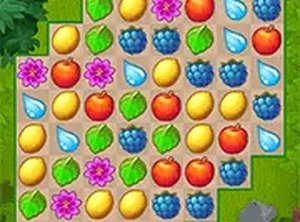
Cute match 3 game with a helpful dog theme. Smooth gameplay and many levels. Great for casual fun.